
In this issue, we highlight mental health equity champion Dr. Helen Blaisdell-Brennan. She shares her perspective on several areas, from integrating cultural humility and respect for traditional Hawaiian and Pacific Islander healing practices into psychiatric care to the most pressing systemic barriers to achieving mental health equity in Hawaii. Dr. Dia Arpon underscores the critical need to understand and address the complex intersection of rural context and social factors that shape access to and the quality of mental health care, ensuring policies are genuinely responsive to the needs of rural populations. Dr. Alex Threlfall talks about the importance of advocating for mental health care for elderly individuals and bringing attention to the bias against older adults living in nursing homes. College-level participants in APA’s Workforce Development Programs, Tyler Parker and Jasmyn Rolison, share powerful reflections on their experience at this year’s Future Leaders Academy. Dr. Andrea Watkins shares how she applies a gut health-centered treatment approach to address psychiatric symptoms at their root, with a special focus on the powerful connection between maternal health and nutrition. Dr. Adriana Manygoats de Julio explains how the Diné concept of Hózhó—a philosophy of balance, harmony, and holistic living—supports and promotes mental well-being. Finally, be sure to check out our Medical Mind podcast series, Breaking the Silence: Addressing Youth Suicide, now streaming.
"When we are able to recognize our own light, we become empowered to use it. When we learn to foster what's unique in the people around us, we become better able to build compassionate communities and make meaningful change." — Michelle Obama
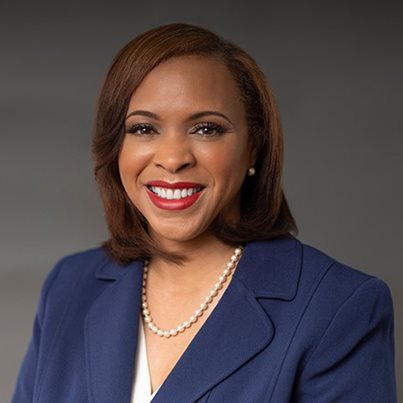
Regina James, M.D.
Deputy Medical Director | VP, for Diversity and Health Equity
American Psychiatric Association
Thank you to the following APA members for their contributions to this newsletter:
- Dia Arpon, M.D., DFAPA
- Helen Blaisdell-Brennan, M.D.
- Adriana Manygoats de Julio, M.D., M.S.P.H., DFAPA
- Tyler Parker
- Jasmyn Rolison
- Alex Threlfall, M.D.
- Andrea Watkins, M.D., M.P.H.
Mental Health Equity Champion Spotlight: Dr. Helen Blaisdell-Brennan
Dr. Blaisdell-Brennan is a psychiatrist educated and trained at Harvard University, the John A. Burns School of Medicine, and the Neuropsychiatric Institute Residency Program at the University of California, Los Angeles.
The Mental Health Link Social Determinants of Mental Health in Rural Communities
Dr. Dia Arpon is a psychiatrist in Delaware who has been practicing since 2006. She has a Bachelor of Science degree in biology from the University of Maryland, Baltimore County.
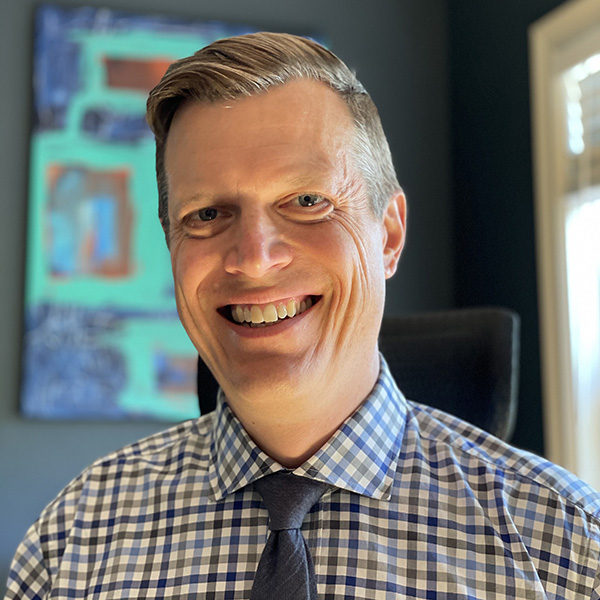
Advocacy in Action: Partnering to Protect Mental Health Care in Nursing Homes
Dr. Alex Threlfall is a board-certified geriatric psychiatrist and medical director for MarinHealth’s Older Adult and General Adult PHP/IOP. He is an associate clinical professor (volunteer) in the UCSF Family Medicine Department for the Sutter-Santa Rosa Community Health Family Medicine Residency and on the clinical faculty for the SRCH Advanced Practice Clinician fellowship.
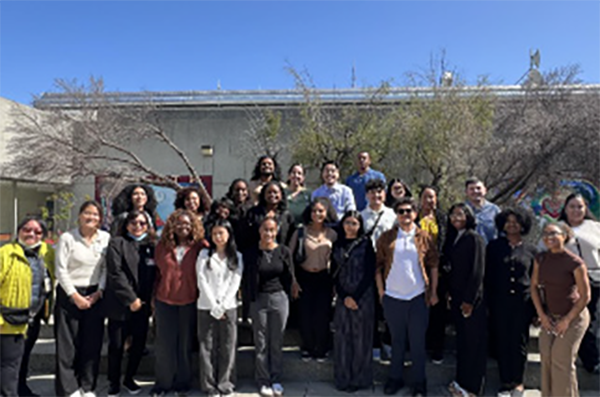
Supporting the Future of Psychiatry: Highlights from the Future Leaders Academy
In June, the American Psychiatric Association SAMHSA MFP team cohosted the second annual Future Leaders Academy in San Francisco, California, with UCSF and UC Davis, for students in the Future Leaders in Psychiatry Program (FLIPP) and the Rising Psychiatry Scholars Program (RPSP).
Raise Your Voice Nourishing Moms, Nurturing Minds: The Link Between Nutrition and Maternal Mental Health
Over the past few years, there has been a growing awareness of the use of nutrition as a treatment modality for mental health issues. As scientific research continues to explore the relationship between food and brain function, it has become increasingly evident that dietary patterns can influence emotional well-being, cognitive performance, and even the onset and severity of mood disorders.

APA MOORE Equity in Mental Health Podcast Series: Breaking the Silence: Addressing Youth Suicide
Suicide is the second-leading cause of death among young people aged 10 to 24, with rates increasing by a staggering 52% over the past two decades. This vulnerable age group also accounts for the highest number of emergency room visits related to self-harm.
Culture Corner: The Art of Living in Hózhó: Navajo Wisdom for a Balanced Life
The concept of Hózhó embodies a profound and vital philosophy at the heart of the Diné (Navajo) culture, encapsulating beauty, harmony, balance, and order. Hózhó signifies a state of being in which every aspect of existence — physical, spiritual, emotional, communal, and familial — harmonizes.