
The House Always Wins: Learning to Overcome Problem Gambling
Prior to COVID-19, Kavita Fischer, M.D., occasionally enjoyed visiting casinos to socialize, see live music performances, and play interactive games. Like many Americans, she felt lonely during the pandemic, and while in quarantine, she turned to gambling apps, playing a live online version of table games and spending $100 over the course of a month. She soon found herself playing for longer and longer stretches and being lured to play other games by ads that promised bonuses and free spins. She fell into the habit of using apps to gamble.
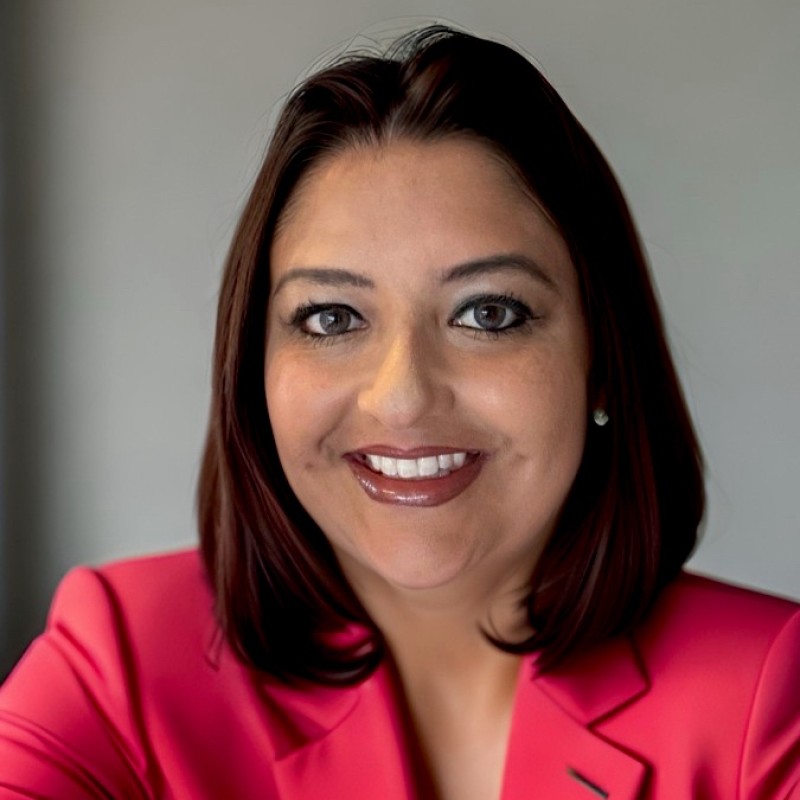
Dr. Fischer, an APA member, currently serves as President of the Pennsylvania Psychiatric Society and has a clinical assistant professorship role in addition to practicing emergency room psychiatry. Her career history of treating mental health conditions helped her to understand that her gambling habit was spiraling out of control, but recovery didn’t automatically follow; changing her patterns of behavior still felt impossible.
Her New Year’s resolution for 2023 was to stop gambling, but by Jan. 2, she had downloaded a new app. As months passed, she continued to feel helpless to stop wagering money, and she eventually sold her house because she could no longer afford the mortgage. This was a turning point; in the following months, she made three attempts to self-exclude from digital betting in her state. The road to staying clean would take many detours, but her recovery process had begun. “Being able to talk about the fact that I’m in recovery feels like a weight lifted off my chest,” said Dr. Fischer. “It’s very common to feel like the only way to solve a gambling problem is to keep gambling, but that isn’t the case. Being able to open up to someone you trust and create a treatment team is an important step towards healing.”
She stayed motivated in her recovery process by the thought of helping others who were struggling with problem gambling. She came public with her story, speaking to NPR, the Wall Street Journal, and other media outlets about the allure of gambling apps and her experiences with them. Knowing that her voice was helping to counter the stigma kept her clean for several months.
“When I first came out with my story, I thought, ‘This is it. I’ve recovered because I’m talking about it,’ but I still wasn’t there yet,” said Dr. Fischer. “I didn’t do any sort of formalized therapy...but I wish in hindsight that I had. [That] could have saved me from all or most of my relapses.”
In January 2024, Dr. Fischer fell and broke her ankle, leading her to spend time recuperating at home and looking at her phone, which prompted her to download more gamified social casino apps. The relapse triggered by her fall was painful, but it led her to start attending online Gamblers Anonymous meetings (which are free to attend). Gamblers Anonymous spurred her to learn her triggers, and she got into the habit of speaking to her financial advisors when she felt triggered so that they could restrict her access to funds. Dr. Fischer names her boyfriend and a close friend with a therapy career as other important members of her treatment team. Data from the National Council on Problem Gambling shows that about five million Americans struggle with a gambling addiction, but only 8% of those individuals ever seek help. Dr. Fischer credits her treatment team with her success in staying clean.
“Gambling will always be a part of my story, but recovery is about learning to live with your condition and identify your triggers,” said Dr. Fischer. “For example, I was recently invited to a psychopharmacology conference in Las Vegas, and I had to turn down the invitation and explain to my colleagues that it wasn’t the right fit for me.” She shares that hearing from individuals who seem successful, but are secretly struggling with problem gambling, has helped her feel less alone. “Many people, including psychiatrists, have contacted me and said, ‘I, too, have this problem, and I don’t want to share it with anyone, but I want to share it with you because I know you’ll understand.’”
Dr. Fischer underscores that many factors in our society encourage problem gambling. “Another element of recovery is understanding that there’s nothing wrong with you. The ‘responsible gambling’ model stigmatizes individuals, but we know that our systems are very predatory – like sports betting being integrated into streaming NBA and NFL, for example – and they seek to maximize profits from Type A people like me, who feel like they always have to win. It’s really a public health issue, so regulation and policy reform definitely need to happen. In the meantime, look for a certified gambling counselor and become an advocate. That’s what helped me survive this.”
More information
- To find a certified gambling counselor, visit: Directory - IPGGC- International Problem Gambling and Gaming Certification Organization.
- To find free support group meetings and other resources, visit: Gamblers Anonymous.
- To learn more about how you can take a stand against commercialized gambling, visit Stop Predatory Gambling and get involved in advocacy efforts to repeal state laws governing gambling operators
- To learn more about Dr. Fischer’s story, watch Last Week Tonight with John Oliver.