
Work Hard, Play Hard: Rethinking a Culture of Alcohol Use in Team Sports
Sports and alcohol use have long been intertwined, from beer sponsors at games to celebratory or consolatory drinks with the team after a match. For many athletes, especially those involved in team sports, these social norms can shape what “normal” drinking looks like. Indeed, adolescent athletes are more likely to use alcohol than their non-athlete peers, and those involved in team sports have higher rates of substance use disorders than those in individual sports.
So, what happens when the team culture around alcohol use blurs the line between social drinking and problematic substance use?
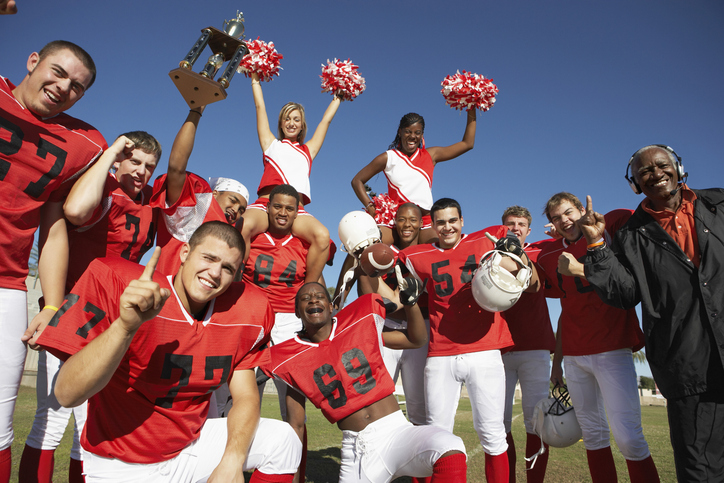
Team sports foster tight-knit bonds, with athletes spending a great deal of time surrounded by their teammates on and off the field or court. In closed social circles like this, the norms of the team become an athlete’s baseline for behavior. Athletes may not realize that the team’s definition of a “normal” amount to drink may actually be unhealthy and even considered risky.
One common pattern among adolescent and young adult athletes is binge drinking, defined as consuming four or more drinks in one sitting for women or five or more drinks for men. Many are surprised to learn that drinking this amount even once a year is considered a positive screen for possible negative effects of alcohol. In team environments where this level of drinking is normalized or even celebrated, it can be difficult to recognize when alcohol use has crossed a line.
Sometimes a team’s drinking behaviors can begin to resemble features seen in substance use disorders. Recognizing the warning signs early is key, not just for your own well-being, but also for the health and performance of the team. If any of the below sound familiar, it may be time to take a closer look at your drinking habits:
- You used to be called a “lightweight” but can now drink much more without feeling drunk.
- You told yourself you’d go home from the bar or party at midnight but end up staying much later.
- You told yourself you’d only have two drinks but ended up having six.
- Drinking or being hungover has affected your class attendance or ability to complete assignments on time.
- After a night of drinking, you spend a significant portion of the next day recovering from a hangover.
- You frequently black out when drinking.
- When you black out, you may do things out of character that may affect your relationships.
- You crave alcohol.
- You’ve performed poorly on an exam or in practice due to being hungover.
- You’ve missed work, practice, or planned events due to being drunk or hungover.
- You have little money for other enjoyable activities or things because most of it is spent on alcohol.
- You frequently drink by yourself or hide how much you drink from others
The culture of drinking in team sports will likely persist, as it’s woven into many traditions, social dynamics, and even entertainment. Popular TV shows and movies such as “Friday Night Lights,” “Blue Mountain State,” “One Tree Hill,” “Make It or Break It,” and “Varsity Blues” depict teams bonding over alcohol, and often only show a small subset of the consequences of drinking, if any. These portrayals can subtly reinforce the idea that heavy drinking is “just part of being on the team.” Recognizing this influence is an important step in setting healthier boundaries for yourself and your team.
Consider the following ways to help promote healthier drinking habits amongst your team:
- Practice self-awareness. Take some time to reflect on your alcohol use. Are there aspects that you feel are problematic? Have you noticed any negative effects?
- Model responsible drinking. Set personal limits for alcohol use and stick to them.
- Be inclusive of non-drinkers. Some teammates may feel pressured to drink to “fit in” with the team. Suggest team bonding activities that don’t involve alcohol. Recommend or provide alternatives to alcohol, such as soda or NA beverages, that can help non-drinkers still feel included.
- Become a mental health ambassador. Joining student groups or mental health organizations can be a great opportunity to learn more about resources and how to support your teammates and other peers.
- Normalize seeking help. Many athletes fear appearing weak or missing playing time, but talking to a counselor, psychologist, coach, or physician is a sign of strength and self-awareness. Professionals are bound by confidentiality unless there’s concern for harm to self or others.
- Advocate for education. If the team’s drinking culture feels unhealthy, suggest to your coach or athletic staff that an educational session on alcohol use and its effects could benefit everyone. This option allows you to potentially remain anonymous to teammates and not single out anyone in particular.
- Check in with teammates privately. If someone’s drinking seems concerning, express your care without judgment. This can certainly be a difficult thing to do, but intervening early could potentially prevent substantial harm to your teammate.
Problematic substance use isn’t always obvious, especially when it’s normalized within a team. Paying attention to subtle warning signs, understanding what constitutes risky drinking, and creating a team environment that supports well-being can help shift team culture toward healthier norms without losing the bonds that make sports so powerful.
By
Michaela Blakeslee, Medical Student, Class of 2026
University of Wisconsin School of Medicine and Public Health
Reviewed by
Claudia L. Reardon, M.D., Professor
University of Wisconsin School of Medicine and Public Health Department of Psychiatry
References
- National Institute on Alcohol Abuse and Alcoholism. (2025, February). Understanding binge drinking. https://www.niaaa.nih.gov/publications/brochures-and-fact-sheets/binge-drinking. NIAAA
- Xanthopoulos, M. S., Benton, T., Lewis, J., et al. (2020). Mental health in the young athlete. Current Psychiatry Reports, 22(11), 63. https://doi.org/10.1007/s11920-020-01185-w.
- Reardon, C. L., Hainline, B., Miller Aron, C., et al. (2019). Mental health in elite athletes: International Olympic Committee consensus statement (2019). British Journal of Sports Medicine, 53(11), 667–699. https://doi.org/10.1136/bjsports-2019 100715.