
Advocacy in Action — Octavio Martinez, M.D., M.P.H., M.B.A., D.F.A.P.A.
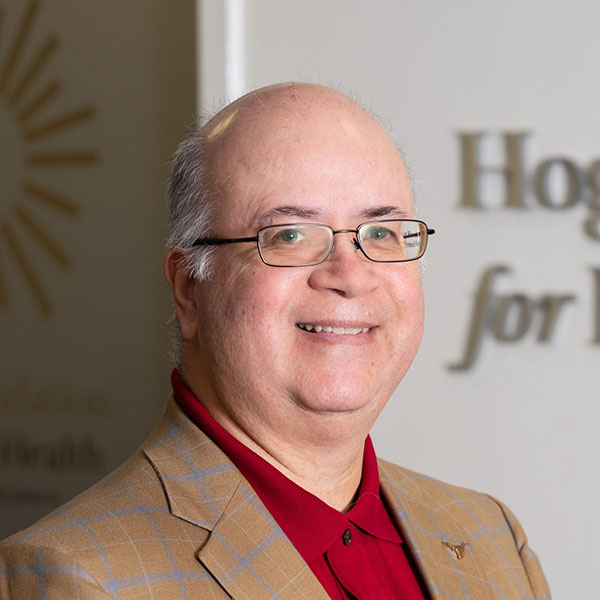
Octavio N. Martinez, Jr., M.D., M.P.H., M.B.A., D.F.A.P.A., is Senior Associate Vice President and Executive Director of the Hogg Foundation for Mental Health at The University of Texas at Austin.
In medicine, psychiatry occupies a unique intersection of biology, social policy and human rights. In fact, civic engagement and public policy intersect with mental health and well-being at every level. It impacts our working and community environments. Therefore, we must all make our voices heard in policymaking spaces. To demystify the process, here are three key takeaways.
- You do not need to be a policy expert to speak up. You do not need to master policy jargon or legislative procedure to advocate effectively. Your expertise in the biopsychosocial model and lived experience make you a subject-matter expert uniquely positioned to speak for those who are often marginalized. Consider starting local. Whether through community centers, churches or parent groups, those closest to an issue are often best positioned to raise awareness and mobilize. Local elections, too, have an outsized impact. Local officials have the most immediate power to address community needs, and as a member of their constituency, your voice matters.
- For meeting with policymakers, persistence matters more than perfection. Showing up, even imperfectly, is what truly counts; however, your advocacy expectations must be realistic. Not every meeting or testimony will lead to instant change, and that is OK. Every interaction builds momentum. Let your passion fuel you and your persistence keep you focused.
- Stories move people when statistics do not. Personal stories can shift hearts and minds in ways that data alone cannot. Do not underestimate the power of your experience or that of your patients.
The takeaway is that advocacy is not just about policy. It is also about people. It is about us. By sharing lived experience, preparing thoughtfully and persisting through setbacks, psychiatrists can have an extraordinary impact on the systems that shape our lives, our patients’ lives and our communities. Together, we can ensure that mental health is treated not as a luxury but as a fundamental human right.