
Mental Health Needs in Rural Communities — Michael Thomas, APA Intern Spotlight
Tell us a little bit about your background.
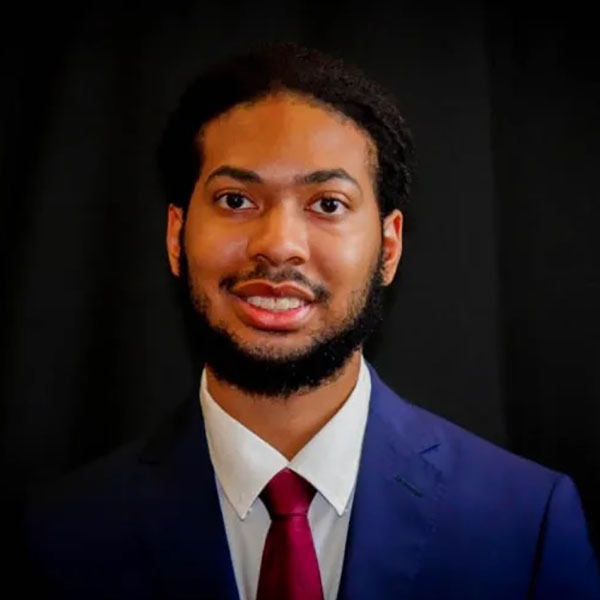
I have a B.S. in Biology from Morehouse College and an M.P.H. degree from Emory University with a concentration in behavioral science and health education. I also have some volunteer experience as a mentor for a program called HBCU Rising, in which we visit local middle schools in the Atlanta area to help students with their work and encourage them to pursue college, particularly at historically Black colleges and universities (HBCUs). I am also a lead coordinator for a nonprofit called Midnight Riot that focuses on environmental justice and social reform.
What barriers have you found in social determinants of mental health/rural communities?
I believe some of the main barriers are distance and internet access. While doing my research, I learned that many health care providers, which include mental health professionals, are primarily in urban areas, so if rural residents need/want mental health help, they need reliable transportation, which most do not have. Another barrier is internet access, which prevents rural residents from scheduling telehealth appointments.
How would rural communities benefit from a tool kit?
I believe this tool kit that I have created is helpful to rural residents because they can have a visual representation of resources that they can reach out to if they are struggling with a mental illness. It is also helpful for public health researchers and professionals, as they can see the structural inequities these residents face and develop solutions not only to help rural citizens with the mental health care they need but also to educate residents about mental health and reduce stigma.
List a potential mental health initiative that may benefit rural communities.
One mental health strategy I proposed is the creation of mental health hubs. They are like mobile clinics but have multiple components, such as telehealth areas with a reliable internet connection. There will also be a space, most likely a community center, in which there will be community members who will teach the residents what mental health is to help reduce the stigma of asking for help. Having community members trained to teach others is a great way to build trust, so rural residents are more likely to reach out if they are having a mental health crisis. This will require funding from the county/state for these mental health hubs, so we will need to have a way to evaluate the program to convince stakeholders to continue the funding.