
Mental Health Equity Champion Spotlight — Sudhakar Shenoy, M.D., F.A.P.A.
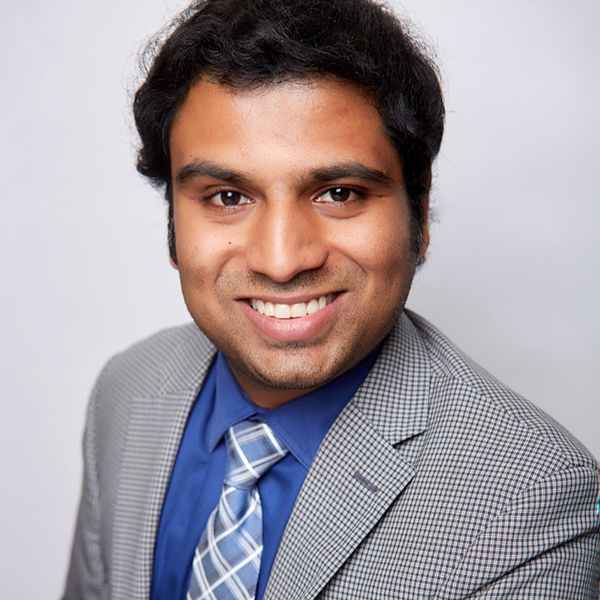
Sudhakar Kateel Shenoy, M.D., F.A.P.A., is a child, adolescent and adult psychiatrist practicing in Chicago, where he serves as medical director of Downtown Psychiatry Chicago and as a staff psychiatrist at Madden Mental Health Center. He is also a clinical assistant professor in the Department of Psychiatry at the University of Illinois Chicago, engaged in teaching medical students and residents.
When you think about mental health equity, how do you define it within the distinct cultural, historical and geographic contexts of Chicago and India?
"I have come to understand that inequity may look different across settings, but whether driven by scarcity or complexity, the consequence is the same: patients not receiving the care they need, when they need it."
Mental health equity, to me, is the ability for every individual to access timely, appropriate and culturally meaningful mental health care, regardless of their background or circumstances. But that definition only comes to life through the experiences that shaped it.
During my training in India, I remember a young man in his 20s from a remote rural village who was experiencing psychosis due to bipolar disorder. His family, who lived in poverty and came from a farming background, had traveled a long distance by public transportation to reach a psychiatric facility, with his parents sitting on each side of him the entire journey to make sure he didn’t elope. Despite those immense barriers, once he received appropriate care, he showed a remarkable turnaround within just one to two weeks. What stayed with me was not only his recovery, but what he said as he was leaving. He told me he had no idea how diseases and conditions could affect the human brain and that he wanted to go back to his village and raise awareness about mental health. In communities like his, a person in that condition is often described as someone who has “lost his mind,” and that stigma can sometimes lead to abandonment or worse.
Later, during my training in Springfield, Illinois, I encountered a very similar situation in a very different context. Families would drive three or four hours for care, often during the height of the opioid crisis, and patients were sometimes dismissed by their communities as "just using drugs" when in fact they were experiencing untreated bipolar disorder with psychosis. With the right diagnosis and treatment, those patients also showed significant improvement, and their families were grateful and continued with follow-up care.
Now, practicing in Chicago, I see yet another dimension of this. Many of my patients come from underserved communities on the South and West sides, with limited family support, histories of foster care or prior incarceration. Despite being in a major metropolitan city, they face fragmented care systems, insurance barriers and long wait times that delay treatment just as much as geography did for patients in rural India or rural Illinois.
Across all these settings, the underlying pattern is strikingly similar. Whether driven by limited resources, workforce shortages, stigma or systemic barriers, patients face significant challenges in accessing care. The context looks different, but the outcome, delayed or disrupted treatment, remains the same.
These experiences have taught me that mental health equity is not a one-size-fits-all concept. It requires a deep understanding of social determinants of health, cultural context and structural barriers. Designing systems of care that are genuinely responsive to these factors, while maintaining cultural sensitivity and continuity of care, is where the real work lies.
How has your role as a psychiatrist influenced the way you approach and address disparities in access to mental health care?
"I’ve learned that disparities in access are not just about who receives care, but when they receive it — and that timing can define outcomes."
My role as a psychiatrist has been shaped by working in two very different clinical settings, and that contrast has profoundly influenced how I understand and approach disparities in access to care.
In one setting, I work at a state psychiatric hospital where I care for some of the most acute and complex cases in Illinois. It is one of the only facilities in the state dedicated to acute psychiatric hospitalization, and it carries the highest volume of psychiatric hospitalizations in all of Illinois. It is a difficult and demanding environment. The patients I see there come from highly vulnerable backgrounds, including those who are uninsured or underinsured, immigrants, unhoused individuals, people involved in the foster care system, and those who have been incarcerated or recently released. These are patients who often arrive after significant delays in care, when their conditions have already reached a point of crisis.
In contrast, my outpatient private practice serves children, adolescents and adults who are generally from more resourced backgrounds and are able to access care earlier in the course of their illness. While they face their own set of challenges, the ability to seek timely evaluation and maintain continuity of care creates a very different clinical trajectory.
Moving between these two settings has made disparities in access not just an abstract concept but something I witness every single day. I often find myself reflecting on how differently a patient’s journey can unfold depending on when and how they are able to get care. I genuinely believe that every psychiatrist should make an active effort to experience both ends of this spectrum because it makes you a better clinician and a more effective advocate.
This dual perspective has strengthened my sense of responsibility, not only as a clinician but also as someone who can speak to these issues from direct experience. It has pushed me to think more intentionally about reducing barriers within my own practice and to contribute to broader conversations about access and equity. Timely and accessible treatment is not just beneficial. It can also fundamentally change outcomes.
How can psychiatrists improve diagnostic accuracy and reduce bias when working with underserved or marginalized communities?
"Bias is not eliminated by intention alone — it requires structure, reflection and systems that support thoughtful care."
Psychiatrists can improve diagnostic accuracy and reduce bias at both the individual and system levels, and I think it takes a sustained commitment at both.
At the individual level, it begins with self-awareness. Clinicians must actively reflect on their own biases and remain mindful of how assumptions, even well-intentioned ones, can quietly influence clinical judgment. Using structured approaches to assessment helps minimize subjectivity, but equally important is simply taking the time to listen carefully and understand the patient’s context before drawing conclusions. That alone can make a significant difference in both accuracy and trust.
At the system level, there is an important role for education, advocacy and institutional change. Strengthening training in cultural psychiatry is essential, as is creating clinical environments that genuinely support thoughtful and comprehensive evaluations. When clinicians are given adequate time and resources, they are far better positioned to move beyond surface-level assessments and engage more meaningfully with patients.
Ultimately, improving diagnostic accuracy requires a shift in mindset, from viewing a clinical encounter as simply assigning a label or writing a prescription to recognizing it as an opportunity to understand a patient’s life more fully and contribute to meaningful, long-term improvement in their well-being. Institutions have a responsibility to create the conditions that make that kind of care possible, and clinicians have a responsibility to hold themselves to that standard even when the conditions are imperfect.
From a policy standpoint, what do you see as the most pressing systemic barriers to achieving mental health equity in Chicago? What changes are needed?
"Access to care is not just about availability — it is about usability, continuity and affordability."
Illinois has made meaningful strides in advancing mental health care in recent years. Initiatives such as the Illinois Behavioral Health Workforce Center, the BEACON initiative and the work of the Illinois Behavioral Health Transformation Task Force reflect a growing commitment to improving access, coordination and workforce capacity. These efforts are commendable and represent important steps in the right direction, and I want to acknowledge that before speaking to what still needs to be done.
Despite advances in mental health care, significant barriers remain. Among the most pressing are insurance-related limitations and fragmentation of care across systems. Patients frequently encounter difficulties navigating coverage, accessing well-trained psychiatrists or maintaining continuity across different levels of care. These barriers consistently lead to long wait times, delayed diagnoses and interruptions in treatment, and they fall hardest on the populations that are already the most vulnerable.
Addressing these challenges will require a multifaceted approach. Improving reimbursement structures to better support psychiatric care is critical, as is strengthening parity enforcement so that mental health coverage is genuinely equivalent to coverage for other medical conditions. Enhancing care coordination across systems and continuing to invest in workforce development, particularly in child and adolescent psychiatry, where shortages are especially acute, are equally important pieces of the puzzle.
Ultimately, achieving mental health equity will depend not only on expanding access but also on ensuring that care is timely, continuous and well coordinated. Access to care is not just about whether services exist. It is also about whether people can actually reach them, afford them and stay connected to them over time.
As we wrap up, is there anything else you’d like to share — a message or call to action for your fellow APA members?
"The future of mental health equity will not be shaped by a few individuals working in isolation. It will be shaped by all of us, working together with intention and purpose."
Mental health equity is a shared responsibility that extends beyond individual practice. Each of us has a role to play, whether through clinical care, mentorship, advocacy or policy engagement, and I think it is important that we remind ourselves of that regularly.
I would encourage my colleagues to remain mindful of the diverse experiences our patients bring to every encounter, to continue learning from one another and to actively contribute to building a mental health system that is more accessible, more equitable and more humane. Small, consistent efforts across our profession can collectively lead to meaningful and lasting change.
And on a practical note, I would encourage every APA member to engage with the organization at whatever level they currently can and with whatever time they are able to spare. It does not have to be a major commitment to make a difference. Whether through local, state or national involvement, that participation matters. It helps shape the future of our profession, strengthens our collective voice and ultimately improves the care we provide to our patients.